
Our Office
Visit Us Online
-


Gum disease is far more common than many people realize, and its effects go beyond a sore or swollen gum line. Research shows periodontal conditions affect a large portion of adults, and left unchecked they are a leading cause of tooth loss. The good news is that many cases are preventable or manageable when detected early and treated with proven methods by skilled clinicians.
Periodontal disease refers to a spectrum of inflammatory conditions that target the supporting structures of the teeth — the gums, connective tissues, and jawbone. These problems begin with the bacterial buildup that forms plaque and tartar around the gumline and can progress quietly if not addressed. Because symptoms can be subtle at first, regular evaluation by a dental professional is essential to spot trouble before it becomes serious.
Inflammation is the body's response to harmful bacteria and their byproducts. While that response is intended to protect tissues, chronic inflammation around the teeth gradually destroys the attachment that keeps teeth stable. Over time this can result in pocket formation, gum recession, bone loss, and ultimately tooth mobility or loss.
Prevention and early intervention are the most effective defenses. Routine dental exams, professional cleanings, and consistent home care break the cycle of plaque accumulation and give dentists the chance to intervene before irreversible damage occurs.
Common warning signs of a developing periodontal problem include:
Gums that are red, swollen, or tender to the touch
Bleeding during brushing or flossing, even with gentle care
Noticeable gum recession or the appearance of longer-looking teeth
Increased sensitivity to hot and cold as root surfaces become exposed
Persistent bad breath or an unpleasant taste that does not abate
Teeth that feel loose or are shifting position
New spaces forming between teeth or a change in how your bite feels
Partial dentures that no longer sit comfortably or fit as they once did
Pus or discharge around the gums indicating an active infection
Discomfort when biting down or chewing that wasn't present before
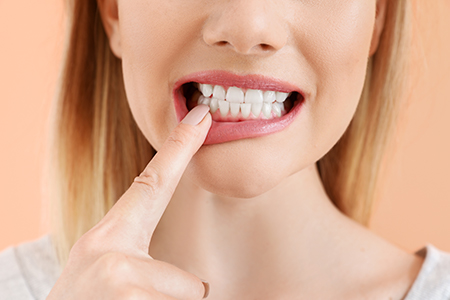
Healthy gums play a role beyond the mouth. Persistent periodontal inflammation has been linked in research to several systemic conditions, which is why dentists and physicians often work together when patients have complex medical histories. Controlling oral inflammation is one way to support overall wellness and reduce one source of chronic bacterial burden and inflammation.
Even if you feel well, undetected periodontal problems can quietly undermine oral function and comfort. Regular periodontal screening during dental visits helps identify subtle changes in pocket depth, attachment level, and bone support so treatment can be tailored to halt progression.
At the office of Morrison Dental Care we emphasize prevention and targeted intervention. Our team combines careful clinical assessment with modern tools to develop plans that protect both the smile and the supporting tissues that keep teeth healthy for years to come.
Gingivitis is the earliest, and most reversible, form of gum disease. It results from the accumulation of plaque at the gumline, which irritates and inflames the tissue. Patients with gingivitis may notice bleeding gums during oral care or mild redness and swelling, but often the condition causes little pain and can go unrecognized without a professional exam.
The encouraging aspect of gingivitis is that it frequently responds very well to improved oral hygiene and professional cleaning. A thoughtful care plan — including thorough scaling to remove plaque and calculus, instruction to optimize brushing and flossing technique, and targeted maintenance visits — can restore healthy gum tissue and prevent deeper involvement.
Because gingivitis does not destroy the underlying bone, timely action typically leads to full recovery of the soft tissues. The key is consistency: once inflammation is controlled, ongoing home care and regular recall visits keep plaque levels low and the tissues stable.

If gingivitis is left untreated, it may progress to periodontitis — a stage where the infection affects the supporting connective tissues and bone. At this point, pockets form between the tooth and gum, and the structural support that holds teeth in place is compromised. The process can accelerate silently, which is why clinical measurements and radiographs are important in diagnosing the extent of involvement.
Treatment for periodontitis focuses on controlling the offending bacteria and stabilizing the tissues. This often begins with thorough removal of subgingival plaque and calculus and may include adjunctive therapies to reduce bacterial load. Where attachment or bone has been lost, regenerative techniques can sometimes rebuild support depending on each patient's biology and the pattern of damage.
Early detection of periodontitis makes treatment more predictable and less invasive, which is why routine periodontal monitoring is a cornerstone of comprehensive dental care.
Advances in periodontal therapy offer a range of options to arrest disease, regenerate lost tissues when possible, and improve oral comfort and function. From improved instrumentation and infection-control strategies to biomaterials that support bone and tissue healing, modern periodontal care aims to restore the mouth's architecture while minimizing discomfort and downtime.
At Morrison Dental Care we evaluate each case individually and recommend the least invasive approach likely to provide lasting results. For many patients this begins with non-surgical therapy and a reinforced maintenance schedule; for others, surgical intervention or regenerative procedures are the most appropriate steps to rebuild support and create a healthy environment for the teeth.
Technology such as dental lasers can be used selectively in periodontal treatment to reduce bacterial burden and refine soft tissue contours, while microsurgical techniques can improve outcomes for grafting and regeneration procedures. The choice of tools and techniques is guided by clinical findings and the patient's goals.
Decisions about periodontal therapy are personalized. Your treatment plan will reflect the stage of disease, the amount of tissue and bone loss, your overall health, and your oral hygiene routine. A thorough evaluation includes pocket probing, visual assessment, and often radiographic imaging to map bone levels and identify areas that need focused care.
Initial therapy typically emphasizes meticulous cleaning below the gumline, careful removal of irritants, and instructions to improve daily plaque control. When pockets are deep or anatomy prevents access, surgical procedures can allow direct debridement, pocket reduction, and repair or regeneration of lost bone and soft tissue.
Following active therapy, maintenance is essential. Periodontal health is a long-term commitment that depends on scheduled professional care and a consistent home care routine to keep bacterial levels in check and prevent recurrence.

When disease is detected early, conservative approaches often succeed. Scaling and root planing — careful cleaning of root surfaces beneath the gums — removes bacterial deposits and smooths rough areas where bacteria adhere. Antimicrobial agents, applied locally or used systemically when appropriate, can support mechanical therapy and help reduce pocket depth.
Non-surgical care is designed to control infection, reduce inflammation, and create a healthier environment that supports tissue healing. Improved home care and regular professional maintenance complete this regimen to keep disease from returning.
If response to conservative therapy is incomplete, the clinical team will discuss next steps and whether surgical options may produce a better long-term outcome.
When pockets are too deep for non-surgical instruments to reach, periodontal surgery provides direct access to clean the roots and reshape the supporting tissues. Procedures range from flap surgery to bone grafting and guided tissue regeneration, depending on the type and severity of damage.
Surgical treatment aims to remove hard-to-reach bacterial deposits, reduce pocket depth, restore a more favorable anatomy for cleaning, and, when possible, rebuild lost bone and soft tissue to improve function and aesthetics.
Where appropriate, modern adjuncts like lasers and regenerative materials may be used to enhance outcomes and promote predictable healing.
The primary objectives of surgical intervention typically include:
Thoroughly remove bacteria and hardened deposits from beneath the gums
Stop further destruction of bone and recontour tissues to a healthier profile
Reduce pocket depths so ongoing cleaning and maintenance are effective and manageable
If you would like to learn more about periodontal care options or schedule an evaluation, please contact us for additional information. Our team is available to answer questions and help you explore the best path to lasting gum health.
Most people don’t realize that periodontal disease is the leading cause of tooth loss among adults. According to statistics from the Centers for Disease Control and Prevention, one out of every two adults over the age of 30 in the United States has periodontal disease.
You may be surprised to learn that the human mouth is home to a wide variety of microbes. The fact is that over 700 different strains of bacteria have been detected in the oral cavity. Although some of these bacteria are beneficial, others are harmful to oral health. Without proper oral hygiene and routine dental care, these harmful bacteria can cause tooth decay and gum disease, compromising both your oral health and overall wellbeing.
In addition to inadequate oral hygiene and infrequent professional care, other factors, including smoking, genetic tendencies, and unchecked diabetes, can contribute to the escalation of periodontal disease.
Your gums and teeth have an interdependent relationship, which means healthy teeth depend on the support of healthy gums. Also, taking care of your smile does more than keep your teeth and gums in optimal condition; good oral health also supports systemic health. In addition to being the leading cause of tooth loss in adults, researchers are finding more and more links between periodontal disease and a number of medical problems, including heart disease, stroke, diabetes, respiratory problems, and adverse pregnancy outcomes such as pre-term and low birth-weight babies.
If you notice that your gums are bleeding with the slightest pressure while brushing or flossing, it’s a sign of gingivitis. Although gingivitis is the earliest stage of gum disease, it can easily be reversed with deeper cleanings as well as an improved regimen of oral hygiene at home.
In the absence of professional treatment and better home care, gingivitis progresses to the next stage, which is known as periodontitis. In this stage, the connective tissue and bone that hold the teeth in place begin to break down with an increase in pocketing between the teeth and bone, gum recession, and bone loss. Without proper treatment by your dentist, periodontitis will progress from a mild to moderate loss of supporting tissue to the destruction of the bone around the teeth.
Although gingivitis can often be reversed with improved oral hygiene and professional cleanings, as periodontal disease advances, more extensive procedures are required to halt its progression. Based on a complete assessment of your periodontal health and a review of possible contributing factors, our office will recommend the best options in care. Treatment for periodontitis may include a series of deeper cleanings known as root planing and scaling, surgical procedures to reduce pocket depth, bone or tissue grafts, laser procedures, or antimicrobial medications.
The cost of care depends on the type of procedures required to restore your periodontal health. If you have dental insurance, plans often cover treatment to prevent gum disease as well as many procedures to treat the various stages of gum disease. Our goal is to help patients restore and maintain good oral health. We do all we can to help you begin care without additional stress or delay. Our business office works with you to maximize your benefits and provide easier, more convenient payment options.
By seeing our office regularly for care and doing your best to eat a healthy diet and practice good oral hygiene, you can keep your smile in tip-top shape as well as protect your overall wellbeing.
At the office of Morrison Dental Care, we provide a comprehensive range of services to address all your oral healthcare needs. You can rest assured that your smile is in the best of hands at our office. Our skilled and experienced team maintains a position at the forefront of advances in care and remains dedicated to providing the highest quality of skilled and compassionate treatment.
Periodontal disease begins when bacterial plaque accumulates along the gumline and below the gums, triggering inflammation of the supporting tissues around the teeth. Risk factors that increase the likelihood of disease progression include smoking, poorly controlled diabetes, certain medications, genetic predisposition, and inconsistent oral hygiene. When these factors combine with untreated plaque and tartar, the inflammation can advance from reversible gingivitis to destructive periodontitis.
Because the progression is often painless in early stages, many patients do not notice symptoms until tissue damage has occurred. Regular dental exams and professional cleanings help identify and remove the bacterial deposits that drive the disease process. Early recognition and modification of risk factors are essential to limit long-term damage to the gums and bone that support your teeth.
Common early signs include red, swollen, or tender gums and bleeding during brushing or flossing, which frequently indicate gingivitis. As disease advances, patients may notice receding gums, persistent bad breath, a bad taste in the mouth, increased tooth sensitivity, or the development of new spaces between teeth. Teeth that feel mobile or a noticeable change in bite or denture fit can signal more significant bone loss and should prompt evaluation.
Because symptoms can be subtle, routine dental visits are critical to detect changes before irreversible damage occurs. Your dental team will assess pocket depths, attachment levels, and radiographic bone support to determine the stage of disease. Discussing any changes in your oral health or systemic conditions with your dentist helps tailor a monitoring and treatment plan.
Treatment for early-stage gum disease (gingivitis) focuses on eliminating plaque and reducing inflammation through professional cleaning and improved at-home care. A thorough dental cleaning removes plaque and tartar above and below the gumline, while education on brushing technique, interdental cleaning, and appropriate home products helps control future buildup. Adjunctive measures such as targeted antimicrobial rinses or short-term topical agents may be recommended to reduce bacterial load.
With consistent home care and routine professional maintenance, gingivitis is often reversible and full periodontal support can be preserved. Your dental team will schedule follow-up visits to monitor healing and ensure pocket depths are stable or improving. If early measures do not produce the expected response, further diagnostic assessment will guide next steps in treatment.
Non-surgical periodontal therapy, including scaling and root planing, is typically recommended when pockets form but bone loss is limited and the condition is still responsive to conservative care. This procedure removes plaque, calculus, and bacterial toxins from tooth roots to reduce pocket depth and allow the tissues to reattach. Antimicrobial agents placed locally or systemic medications may be used as adjuncts when warranted by the clinical situation.
After non-surgical therapy, patients enter a phase of close re-evaluation to confirm healing and reduced inflammation, often within four to twelve weeks. Successful cases transition to a periodontal maintenance schedule tailored to the patient’s risk profile. When deeper pockets or persistent infection remain despite conservative care, surgical options may be considered to regain access and restore healthy anatomy.
Periodontal surgery is used to access and clean deep pockets, reshape supportive tissues, and, when necessary, place grafts to restore lost bone or soft tissue. Common procedures include flap surgery to debride infected root surfaces, pocket reduction to create a more maintainable architecture, and regenerative techniques that use bone grafts or membranes to encourage tissue reformation. Most procedures are performed under local anesthesia and, when appropriate, with adjunctive technologies such as lasers to enhance precision and reduce discomfort.
Recovery typically involves a short period of tenderness, careful oral hygiene modifications, and follow-up visits for suture removal and healing assessment. Your clinician will provide specific post-operative instructions regarding pain control, oral rinses, and dietary recommendations to support recovery. Long-term success depends on adherence to maintenance visits and effective home care to prevent recurrence.
Bone grafting and regenerative procedures aim to rebuild lost bone and soft tissue around teeth so that periodontal support can be improved and the risk of tooth loss reduced. Grafts may use the patient’s own bone, donor bone, or synthetic materials, often combined with membranes or biologic modifiers that promote new tissue formation. These techniques can restore socket contours, increase bone volume for implant placement, and improve both function and long-term prognosis.
Not every patient is a candidate for regeneration; success depends on defect type, patient health, and infection control prior to surgery. A thorough evaluation, including radiographs and clinical measurements, helps determine the most appropriate regenerative approach. When successful, these procedures can provide more favorable outcomes than resective surgery alone by rebuilding the structures that support the teeth.
Lasers and other modern technologies are complementary tools that can enhance periodontal diagnosis and treatment while minimizing invasiveness in select cases. Laser therapy may be used to remove diseased tissue, reduce pocket depth, manage peri-implantitis, or assist in bacterial reduction, often with less bleeding and swelling than some traditional approaches. Advanced imaging such as digital radiography and cone-beam CT (CBCT) supports more accurate assessment of bone loss, root anatomy, and implant planning.
While technology can improve precision, it does not replace thorough mechanical debridement and sound clinical judgment. Your clinician will recommend technologies based on the specific clinical needs, evidence of benefit, and how they integrate with established periodontal protocols. Effective outcomes rely on combining proven techniques with appropriate technological adjuncts when indicated.
After active periodontal therapy, most patients enter a periodontal maintenance program that typically involves professional cleanings and evaluations every three months, although intervals are individualized based on disease severity and risk factors. These maintenance visits focus on removing recurrent plaque and calculus, checking pocket depths, and reinforcing home care to prevent relapse. Patients with higher risk—such as smokers or those with diabetes—often require more frequent monitoring and tailored support.
Consistent maintenance is the most important factor in preventing recurrence of periodontitis and preserving treatment gains over time. Your dental team will use clinical measurements and patient response to adjust the maintenance schedule as needed. Open communication about changes in health status or home care helps the practice provide proactive management.
Research has established associations between periodontal inflammation and systemic conditions such as cardiovascular disease, diabetes, adverse pregnancy outcomes, and respiratory illness, likely related to chronic inflammatory and bacterial pathways. While associations do not prove direct causation in every case, managing periodontal inflammation can reduce systemic inflammatory burden and support overall health, particularly in patients with chronic medical conditions. For patients with diabetes, controlling periodontal disease can help with glycemic management and reduce complication risks.
Because of these links, your periodontal evaluation should consider medical history and coordination with primary care providers when appropriate. Managing periodontal disease is part of a comprehensive approach to health, and treating oral inflammation can be a meaningful component of broader preventive care. Discuss any systemic health concerns with your dental team so that treatment plans reflect your overall medical status.
You should consider referral to a periodontist when periodontal disease is advanced, when initial therapy fails to control infection, when complex regenerative or reconstructive procedures are needed, or when implants require specialized management. Periodontists have focused training in surgical and regenerative techniques and can provide advanced options such as bone grafting, soft tissue grafts, and management of peri-implant disease. Your general dentist may recommend specialist care for persistent pocketing, progressive bone loss, or when treatment planning for implants demands advanced expertise.
If you notice persistent bleeding, mobility, deep pockets, or changes in your bite, prompt evaluation is important to preserve support structures and prevent further complications. Morrison Dental Care and its team coordinate care and will advise on when specialist referral is appropriate based on clinical findings. Early collaboration with a specialist can expand treatment choices and improve long-term outcomes for patients with complex periodontal needs.
Address:
1524 Route 9, Clifton Park, NY 12065