What to Do First: Practical Steps After a Dental Emergency
When a dental emergency happens, quick, calm action can make a big difference. Begin by assessing the situation: if there’s heavy bleeding, apply gentle pressure with a clean cloth or gauze. For swelling, cold compresses applied to the outside of the cheek can reduce pain and limit inflammation. If a tooth has been knocked out, handle it by the crown (not the root), rinse it gently without scrubbing, and if possible, try to place it back in the socket — otherwise keep it moist in milk or saliva until you can get professional care.
Minimizing movement and avoiding substances that could irritate the mouth — such as alcohol or overly hot or cold foods — helps limit further damage. Over-the-counter pain relief can be used according to package directions, but avoid placing aspirin directly on the gums or tooth, as this can cause chemical burns. If a sharp edge from a broken tooth is cutting the cheek or tongue, a piece of sugar-free chewing gum or dental wax can be temporarily applied to reduce irritation until you are seen.
It’s also important to keep an eye on general symptoms that may signal more than a localized dental issue. High fever, spreading swelling that affects breathing or swallowing, or severe persistent bleeding all require immediate medical attention. For most dental injuries and sudden tooth pain, prompt assessment by a dental professional preserves options for saving teeth and limiting complications.
Conditions We Handle Urgently: A Clear View of Common Emergencies
Dental emergencies come in many forms, ranging from sudden pain to traumatic injuries. Toothaches can signal deep decay, an inflamed nerve, or an abscessed tooth; a chipped or fractured tooth may expose sensitive inner layers; and a dislodged crown or filling can leave a tooth vulnerable to further damage. Wisdom teeth that erupt awkwardly or become infected often create acute discomfort and swelling that benefit from timely intervention.
Soft-tissue concerns also require prompt attention. Lacerations of the lips or tongue, inflamed or bleeding gums, and suspicious lumps or sores in the mouth should be evaluated without delay. Infections — whether bacterial, viral, or fungal — can progress rapidly if left untreated, sometimes causing systemic symptoms. Identifying the source of pain or swelling helps guide effective treatment and prevents avoidable complications.
- Severe or persistent toothache
- Chipped, fractured, or broken teeth
- Knocked-out (avulsed) teeth
- Loose or displaced teeth
- Lost or damaged crowns, bridges, or fillings
- Broken or ill-fitting dentures
- Infected or problematic wisdom teeth
- Swelling, abscesses, and unexplained oral lumps or lesions
- Acute gum bleeding or traumatic soft-tissue injuries
How We Evaluate Dental Emergencies: From Triage to Diagnosis
When you arrive, our first priority is to stabilize your comfort and assess the severity of the problem. Triage allows us to determine which issues require immediate action and which can be scheduled for timely follow-up. A careful history — how the injury occurred, how long symptoms have been present, and any relevant medical conditions — helps shape safe, effective care. We will also review medications and allergies to ensure chosen treatments are appropriate for your overall health.
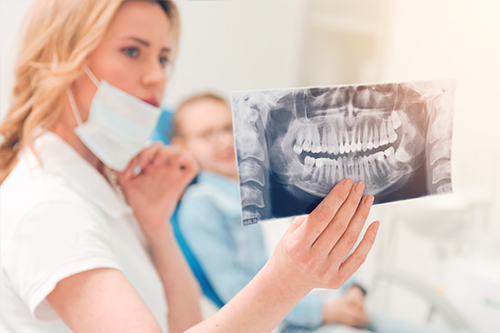
Clinical examination is supported by diagnostic imaging when needed. Digital radiographs and intraoral cameras offer a detailed look at tooth structure, root health, and surrounding bone, while three-dimensional imaging (CBCT) may be used for complex cases involving trauma or suspected pathology. These tools accelerate diagnosis and help us craft a precise treatment plan that aims to preserve natural teeth whenever possible.
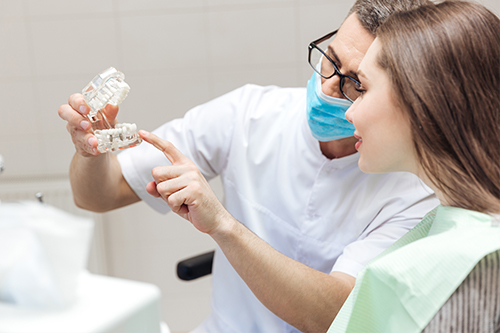
Soft-tissue evaluation is equally essential. We inspect the lips, cheeks, tongue, and gums for cuts, foreign bodies, or signs of infection. If swelling or signs of systemic involvement are present, we coordinate care to address potential spread of infection and protect airway safety. Clear communication during this phase ensures patients understand findings, options, and next steps.
Urgent Treatment Options: Restoring Function and Comfort
Treatments for emergency dental problems are tailored to the diagnosis and your individual needs. Minor fractures and small cavities can often be repaired quickly with fillings or composite bonding to restore tooth shape and reduce sensitivity. For larger breaks, a crown may be recommended to rebuild strength and protect the remaining tooth structure; these restorations are designed to return function and appearance while preventing further damage.
When inflammation reaches the tooth’s nerve, root canal therapy is a conservative option that removes infected tissue and preserves the natural tooth. This treatment has a strong success record for relieving pain and maintaining chewing function. In situations where a tooth cannot be saved due to severe infection or structural compromise, extraction becomes the appropriate course to protect surrounding teeth and oral health.
Replacing a missing tooth is an important part of recovery and long-term oral health. Modern solutions include dental implants, fixed bridges, and removable dentures, each suited to different clinical situations and patient preferences. Our approach prioritizes restoring oral function and preventing the changes in bite and bone loss that can follow tooth loss, so you can return to normal eating and speaking with confidence.
When to Seek Care and What to Expect After Treatment
Some signs call for immediate evaluation: uncontrolled bleeding, severe pain that doesn’t respond to home measures, a tooth that has been completely displaced, or swelling that affects breathing or swallowing. If you experience these symptoms, prompt professional assessment is essential. Even less dramatic but persistent issues — such as a lingering ache, a loose filling, or a sore that won’t heal — deserve timely attention to prevent escalation.
After treatment, the practice focuses on clear aftercare instructions and scheduled follow-up to ensure healing proceeds as expected. This may include short-term pain control strategies, soft-diet recommendations, and guidance on oral hygiene while tissues recover. We monitor healing and, when appropriate, discuss longer-term restorative planning to reestablish optimum function and aesthetics.
As an established local practice, Morrison Dental Care emphasizes continuity of care: the same clinicians who evaluate an emergency often coordinate ongoing treatment so patients benefit from consistent guidance and a coherent plan. Our goal is to make the emergency experience as quick and reassuring as possible, restoring comfort and stabilizing oral health with compassion and clinical expertise.
Summary: Dental emergencies can be alarming, but timely, informed action preserves options and improves outcomes. If you or a family member are facing a sudden dental problem, contact us for more information about how we can help. We’ll listen, assess, and work with you to get care underway promptly.