
Our Office
Visit Us Online
-


At Morrison Dental Care, we combine contemporary materials with precision techniques to restore teeth that are weakened by decay, injury, or wear. Our goal is to deliver restorations that not only protect function but also look natural in the context of your smile.
Tooth enamel is remarkably strong, yet teeth can still suffer damage that compromises their structure. When a simple filling is no longer sufficient to rebuild a durable biting surface, a crown — a full-coverage restoration — becomes the most predictable way to restore strength, shape, and chewing ability.
Advances in dental ceramics now allow us to offer metal-free crowns that balance longevity with aesthetics. These restorations are crafted from contemporary ceramic systems that mimic the way light passes through natural teeth, while providing the resilience needed for everyday use.
Every treatment plan begins with careful assessment and a conversation about your goals. Comfort, durability, and a natural appearance guide our recommendations so patients can make informed decisions that fit their oral health needs and cosmetic priorities.
A crown restores a tooth that has lost too much natural structure to be reliably repaired with a filling. Large cavities, cracks, broken cusps, or the removal of extensive decay leave a tooth vulnerable to further fracture. A crown surrounds and shields the remaining tooth, redistributing biting forces and preventing future breakdown.
Teeth that have undergone root canal treatment commonly benefit from a crown because the procedure can leave the tooth more brittle. Crowns wrap the tooth and help prevent vertical fractures that could otherwise lead to tooth loss. For teeth that serve as anchors for bridges or as replacements on dental implants, crowns provide the essential structural and aesthetic components for these restorations to succeed.
Beyond strength, crowns can correct functional problems. They restore proper tooth height and contact with neighboring teeth, which helps maintain an even bite and reduces excessive wear elsewhere in the mouth. This balance is important for long-term oral health and for preventing jaw discomfort or shifting of adjacent teeth.
Decisions about when a crown is the right choice depend on the extent of damage, the tooth’s role in chewing, and the cosmetic result desired. Our clinical evaluations emphasize conservative preparation and the preservation of as much tooth structure as possible while achieving a restoration that performs reliably for years.

All-ceramic crowns deliver some of the most natural-looking results available in restorative dentistry. Because they are metal-free, there’s no dark line at the gumline and no risk of metallic show-through under thin enamel. The way contemporary ceramics transmit and reflect light produces a lifelike translucency that blends with surrounding teeth.
Many ceramic systems are formulated to be highly biocompatible and gentle on the surrounding soft tissues. This compatibility can reduce the likelihood of irritation and help maintain healthy gums around the restored tooth. Ceramic crowns are also resistant to staining, which helps preserve a consistent shade over time.
Technological improvements in ceramic strength have narrowed the gap between durability and beauty. Modern materials can withstand the forces of chewing when designed and placed correctly, making them suitable for both front and back teeth. Their lighter weight and lack of metal components can also feel more natural in the mouth for some patients.
Because ceramics can be milled or pressed to exacting dimensions, restorations fit precisely and bond predictably to prepared tooth structure. This accuracy supports long-term success by reducing the risk of gaps at the margin and promoting a secure interface between tooth and crown.
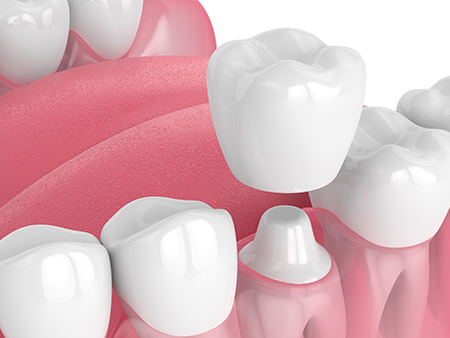
Not all ceramic crowns are the same. Material choice depends on the tooth’s location, your bite forces, and the esthetic outcome desired. For highly visible front teeth, translucency and fine color characterization are often prioritized so the restoration matches adjacent teeth seamlessly.
Lithium disilicate porcelains are favored for their excellent balance of strength and esthetics; they can be customized with layered ceramics for optimal color and translucency. Leucite-reinforced ceramics offer attractive optical properties and are useful in situations where a thin, very lifelike restoration is needed.
Zirconia-based ceramics have evolved significantly and are now available in monolithic forms that provide exceptional strength for molars and bridgework. High-translucency zirconia combines improved esthetics with durability, while layered or veneered zirconia blends core strength with a cosmetic outer layer for front teeth when necessary.
We evaluate each case holistically — considering tooth position, opposing dentition, the extent of preparation required, and long-term wear patterns — to recommend the ceramic that best meets both your functional demands and visual expectations.

The restoration process begins with a comprehensive exam and diagnostic imaging to determine the underlying condition and plan conservative tooth preparation. We prioritize techniques that preserve as much healthy tooth as possible while creating a stable foundation for the crown.
Impressions or digital scans are taken to capture the precise shape of the prepared tooth and surrounding bite. Digital workflows allow for tight tolerances and predictable fit, whether restorations are milled in-office or fabricated by a skilled dental laboratory. A temporary crown protects the tooth between appointments when a multi-visit approach is required.
At the final appointment, the ceramic crown is tried in, adjusted for comfortable contacts and occlusion, and then permanently bonded or cemented. We confirm that margins are sealed, contacts are appropriate, and the shade blends naturally before the restoration is finalized.
After placement, regular dental checkups and good oral hygiene are important to maintain the longevity of the crown and the health of surrounding tissues. With proper care, ceramic crowns can provide many years of reliable service while preserving the appearance of your smile.
Our practice emphasizes thoughtful planning and conservative treatment to deliver outcomes that meet both functional needs and aesthetic goals. We combine a patient-centered process with modern materials and proven restorative techniques so each crown contributes to a stable, natural-looking smile.
We take time to explain options clearly, outlining how different ceramic materials perform and what trade-offs may apply based on tooth location and bite dynamics. That transparency helps patients make choices that align with their expectations for appearance and durability.
Precision in preparation, attention to occlusion, and careful finishing details make the difference in long-term success. Our team monitors restorations over time and provides guidance on preventive care to protect both the crown and the surrounding teeth and gums.
Whether you require a single crown to repair a fractured tooth or multiple restorations as part of a larger plan, you can expect treatment that prioritizes predictability, comfort, and a natural result.
In summary, contemporary ceramic crowns offer a dependable and attractive solution when a tooth needs full coverage. If you have questions about whether a ceramic crown is the right option for you, contact us to learn more about the process and how we can tailor care to your needs.

While a dental filling is designed to replace a portion of a decayed or damaged tooth, a dental crown offers full coverage to restore the tooth’s entire outer surface. A well-fitting dental crown not only protects and strengthens the underlying tooth structure, but it also restores the tooth’s appearance and function.
The procedure for getting an all-ceramic crown is much like the procedure for getting any other type of crown. In all cases, the tooth needs to be prepared, an impression taken, and a permanent crown cemented into place. A single all-ceramic crown can typically be fabricated over the course of two visits. However, with CAD/CAM technology, a same-day crown can be fabricated from start to finish in a single visit. With the first approach, a temporary crown is typically worn until the second visit, when the permanent restoration is placed. As with every treatment plan, our office will explain your best options in care.
As the name implies, a temporary crown is only worn for a short time until the permanent crown is placed. A temporary crown is typically fabricated from durable tooth-colored dental acrylics. While designed to protect the underlying tooth between appointments, and until your new permanent crown gets placed, a temporary crown is also fabricated to look like a natural tooth and maintain the look of your smile.
While you should feel better having an attractive and functional tooth to restore your smile, your tooth may feel a little sensitive following treatment. This initial sensitivity will subside. We take great care to make sure your new restoration looks great, fits well, and your bite is perfect. However, we’re always happy to make any minor adjustments to ensure your comfort.
With some exceptions, teeth with root canal procedures are typically restored and protected from further damage with a full-coverage crown. Based on what’s best for your smile, our office will recommend the most appropriate restoration to maintain the health and longevity of your tooth following a root canal procedure.
A dental crown is a long-term restoration that, if properly cared for, can serve you well for many years to come. Once your new crown is placed, it requires the same brushing, flossing, and periodic checkups as your natural teeth. Avoid biting your fingernails and chewing on hard or sticky objects such as ice, pencils, or taffy, which can damage or loosen your crown. Remember, clenching and grinding your teeth puts excessive pressure on both natural teeth and dental restorations. Unless treated, this habit can compromise the longevity and integrity of your dental work, including crowns.
Although your new all-ceramic crown restores the tooth's strength, form, and function, you can still develop dental disease in the absence of proper care. To prevent gum disease and tooth decay, it’s essential to brush and floss as instructed and see our office for routine checkups, cleanings, and care.
How long a dental crown lasts depends on various factors, including your level of oral care, diet, and oral habits. While the standard answer is that dental crowns can last anywhere from 5 to 15 years, existing literature confirms that most dental crowns remain in place at 15 to 20 years.
At the office of Morrison Dental Care, we strive to provide the highest quality of care to address all your dental needs. Once we’ve had the opportunity to examine your smile, we can give you a clear picture of any dental issues that are present, along with a quote for how much treatment will be. The cost of dental crowns can vary a little, depending on the type of crown and its location. Our goals are to provide the highest quality of care and help patients begin treatment without additional financial stress or delay. We’re always happy to answer all your questions on dental insurance coverage, available financing, and payment plans.
Coverage for all-ceramic crowns depends on your dental insurance plan. Today, many dental plans provide some level of coverage for all-ceramic crowns. At the office of Morrison Dental Care, we work with patients to optimize their dental benefits and get the care they need to maintain healthy and beautiful smiles!
Ceramic crowns are full-coverage restorations fabricated entirely from dental ceramic rather than metal or metal-backed porcelain. They are designed to fit over a damaged or weakened tooth, restoring its original shape, strength, and function while matching the surrounding dentition. The crown is bonded to the prepared tooth to create a sealed, protective restoration that can withstand normal biting and chewing forces.
The ceramic material interacts with light in a way that closely mimics natural enamel, giving the finished restoration a lifelike translucency and luster. Modern ceramics are engineered for strength and aesthetics, allowing dentists to tailor the crown to both functional and cosmetic needs. Proper planning and precise fabrication ensure the crown blends with the smile and performs reliably over time.
A ceramic crown is typically recommended when a tooth has lost a substantial amount of structure from decay, fracture, or previous restorations so that a filling would not provide adequate strength or longevity. Crowns are also preferred after root canal therapy, when replacing large or broken fillings, or when rebuilding an implant abutment. The decision is based on the remaining tooth structure, occlusal forces, and the tooth's role in the bite.
In addition to structural concerns, crowns can be selected for cosmetic reasons when a tooth is severely stained, misshapen, or otherwise difficult to restore with conservative methods. Your dentist will evaluate functional needs, aesthetic goals, and long-term prognosis when recommending a crown. This individualized assessment helps ensure the chosen restoration meets both health and appearance objectives.
All-ceramic crowns offer exceptional aesthetics because they closely reproduce the translucency, color, and surface texture of natural teeth. They are metal-free, which eliminates visible dark margins at the gumline and reduces the risk of galvanic reactions or metal-related sensitivities. Advances in ceramic technology have also produced materials strong enough for many posterior applications while maintaining superior cosmetic qualities for anterior teeth.
Ceramic crowns can require less aggressive tooth preparation for certain materials, preserving more natural tooth structure when appropriate. They resist staining and are gentle on surrounding soft tissues, making them a biocompatible option for many patients. When properly planned and fabricated, ceramic restorations provide a balance of beauty, function, and tissue friendliness.
Porcelain fused to metal crowns have a metal substructure covered by porcelain, which historically offered excellent strength but could show a dark metal margin at the gumline and transmit less natural light. All-ceramic crowns eliminate the internal metal, allowing better light transmission and a more natural appearance, especially at the margins. Modern ceramic systems have greatly narrowed the strength gap while improving translucency and color matching.
The choice between ceramic and metal-containing crowns depends on location, occlusal demands, and aesthetic priorities. For high-stress back teeth, certain zirconia formulations can provide the necessary strength, while for front teeth glass ceramics or lithium disilicate may offer superior aesthetics. Your dentist will recommend the material that best balances durability and appearance for each specific tooth.
Several ceramic materials are commonly used for crowns, each with distinct properties that suit different clinical situations. Lithium disilicate is prized for its excellent aesthetics and good strength, making it popular for anterior and some posterior crowns. Zirconia offers exceptional strength and durability and is available in monolithic and layered forms to improve appearance.
Leucite-reinforced pressable ceramics provide excellent color matching and work well for veneers and some crowns, while high-translucent zirconia balances strength with improved light transmission for more natural-looking posterior restorations. The selection of material depends on the tooth's functional demands, visibility, and the patient’s aesthetic goals, and your dentist will guide the choice based on those factors.
The ceramic crown process typically begins with a thorough evaluation, diagnostic imaging, and tooth preparation to remove diseased tissue and shape the tooth for the restoration. Your dentist will capture precise impressions or digital scans that are used to design and fabricate the crown in a dental laboratory or with in-office milling technology. A temporary crown may be placed to protect the prepared tooth while the final restoration is being made.
At the final visit the temporary is removed, the fit and color of the ceramic crown are verified, and the restoration is permanently bonded using dental cement or adhesive. Adjustments to the bite and polish are completed to ensure comfort and function. The entire sequence is planned to minimize chair time while achieving a predictable, long-term result.
Caring for a ceramic crown is similar to caring for natural teeth: maintain a consistent home hygiene routine that includes brushing twice daily with a fluoride toothpaste and flossing at least once per day. Pay special attention to the crown margins where plaque can accumulate, and use interdental brushes or floss threaders if needed to keep these areas clean. Good oral hygiene helps reduce the risk of decay at the crown margins and supports surrounding gum health.
Regular professional checkups and cleanings allow your dentist to monitor the crown, address any fit or bite issues, and manage periodontal health. Avoiding hard or highly abrasive habits such as chewing ice, using teeth as tools, or persistent clenching without a protective appliance can reduce the chance of fracture. If you grind or clench your teeth, discuss protective options like a night guard to safeguard both crowns and natural dentition.
Ceramic crowns are versatile and can be used on both anterior and posterior teeth, with the selection of material tailored to the tooth’s functional and aesthetic demands. For front teeth, materials that prioritize translucency and color matching such as lithium disilicate or layered ceramics are often chosen to achieve the most natural appearance. For back teeth that experience higher occlusal forces, stronger ceramic formulations such as monolithic zirconia may be recommended to withstand chewing loads.
Your dentist will evaluate the bite, opposing dentition, and cosmetic goals when recommending a specific ceramic type for each tooth. In many cases a combination of materials can be used across the mouth to optimize both longevity and appearance. This individualized approach helps ensure that each restoration performs well in its particular position.
Because ceramic crowns are metal-free, they are an excellent option for patients who have known sensitivities or allergies to metal. The absence of a metal substructure eliminates the potential for galvanic reactions and reduces the risk of soft tissue irritation linked to certain metal alloys. Ceramics are generally biocompatible and well tolerated by the surrounding gum tissues.
If you have a history of allergic reactions to dental metals, inform your dentist so material choices can be adjusted accordingly. The dental team will review medical and dental history and select restoratives that prioritize biocompatibility while meeting functional and aesthetic requirements. In many cases all-ceramic restorations provide a safe and effective solution for sensitive patients.
The lifespan of a ceramic crown varies based on material choice, oral hygiene, bite forces, and overall dental health, but many ceramic restorations provide durable service for many years when properly maintained. Good home care, routine dental visits, and prompt attention to any changes in fit or function contribute significantly to long-term success. Avoiding destructive habits and managing conditions such as bruxism can also extend the life of a crown.
At Morrison Dental Care we evaluate each case to select materials and techniques that support longevity while meeting aesthetic goals. Periodic monitoring allows the dental team to identify early signs of wear, marginal breakdown, or secondary decay so that timely maintenance can be performed. With careful planning and ongoing care, ceramic crowns can offer a reliable and natural-looking restoration for a patient’s smile.
Address:
1524 Route 9, Clifton Park, NY 12065